Zero to launch: building a regulated iGaming business
I joined as the third team member before the company existed. We reached beta in about six months. Then early retention was weak, and we had to change strategy.
- Company
- Digital Distribution Group, a regulated multi-market iGaming platform
- My role
- Head of Product Strategy (Jan to Jun 2025), then Head of Operations (Jun 2025 to now)
- Timeline
- About 6 months from domain selection to beta, plus about 1 month of soft launch
- Scale reached
- 152K registered accounts, about 21K of them depositors, and about 40 contributors across the operating model (company-level figures)
The project and my part in it
Digital Distribution Group is a multi-market iGaming platform built from scratch by a small founding team. I joined before the company was incorporated and worked on it from the first partner evaluation, through launch, to running and scaling the operation.
- StrategyProduct vision, roadmap, markets
- StackAbout 15 partners evaluated
- DesignBrief and review with an external studio
- SupportChatbot flows, knowledge content, coverage
- LifecycleCRM journeys, retention, gamification
- DataFunnel, reports, testing
- PlanningForecasts, budgets, reviews
- OperationsDesign, content, CRM and support teams
Legal, compliance and technology specialists, an external design studio and a retention agency did the specialist work, and final commercial decisions were made with the founders. Numbers on this page describe the business, not results I achieved alone.
1. Deciding what to buy, not build
We started with a domain, a business concept and a small team. There was no operating system to inherit, so the first job was deciding where to launch, what to buy rather than build, what the stack would cost and how the pieces would work together. We shortlisted around ten geographies, subject to market-by-market regulatory review.
I evaluated about 15 platform and service partners. For the core platform provider the criteria were practical: setup fees, recurring charges, provider coverage, integration effort, scaling options, commercial flexibility and the internal resources needed to run it. After comparing two main options we chose one and moved into onboarding, contracts, training and delivery planning. I weighed experience, integration constraints, regulatory fit and commercial terms in the same view, because platform choices set cost and flexibility for years.
- Payments (by market)
- KYC and identity
- Fraud and AML
- Sportsbook provider
- Game providers
- Affiliate management
- CRM platform
- CMS and content
- Customer support
2. Turning the stack into a product
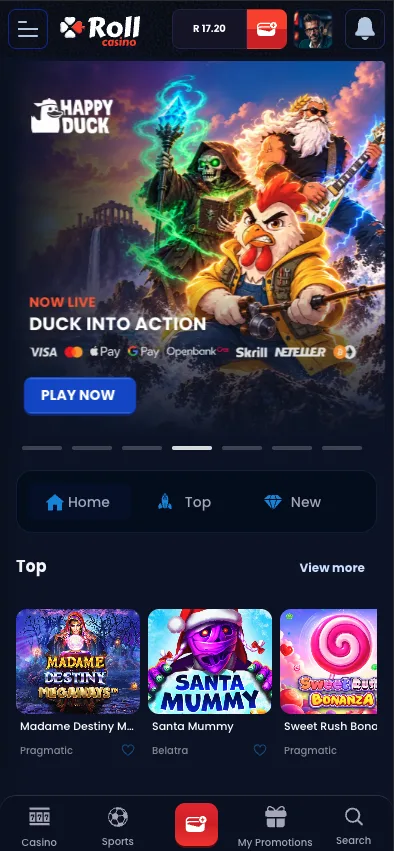
In parallel I managed the design side with an external studio: brand direction, logo and character iterations, templates, interface elements and campaign assets. I was not the hands-on designer. My job was to steer the brief, review alternatives, raise issues and coordinate between the studio, the platform team and internal stakeholders. Brand-to-delivery iterations took roughly two to three months. We reached beta about six months after domain selection, then ran about a month of soft launch before bringing in acquisition traffic more systematically.
3. Building support before traffic arrived
Customers would hit failed verifications, payment problems and account questions from day one. We set up outsourced support with coverage schedules, ownership and escalation paths. After reviewing more than a dozen tools we chose a live-chat tool for real-time support and a ticketing tool for specialist escalation.
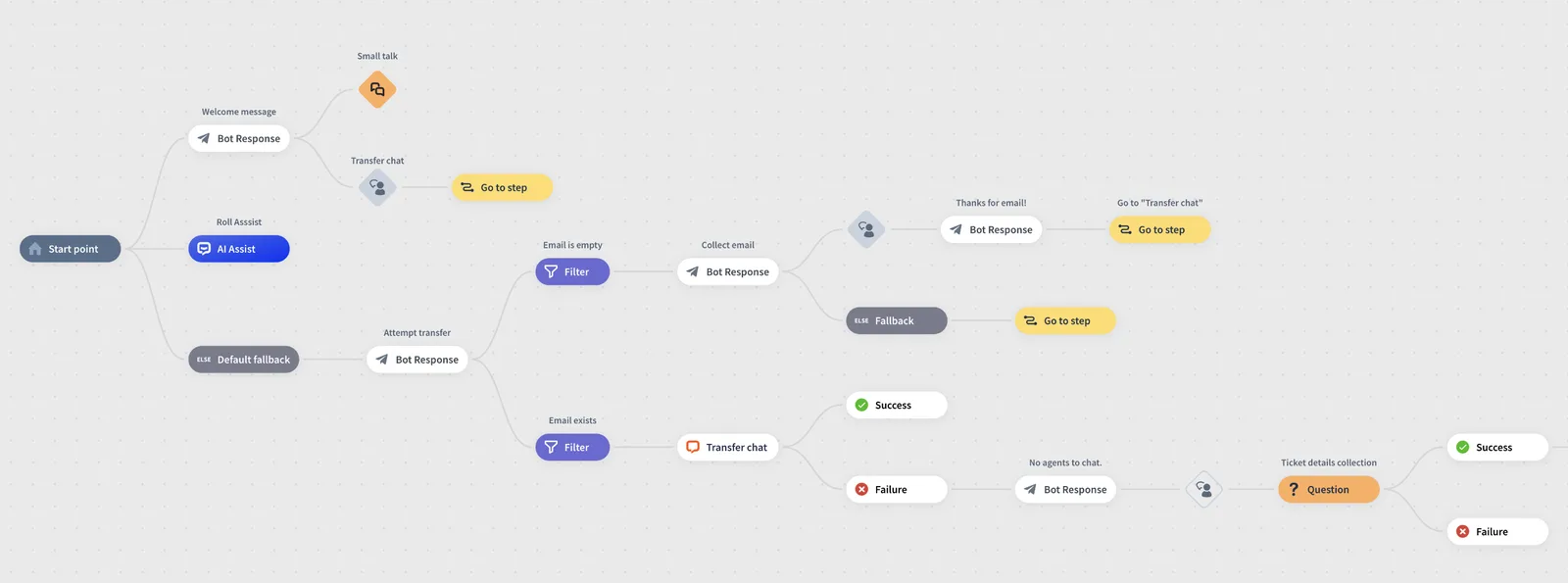
This was one area where I worked directly in the system. I configured the chatbot, drew the conversation flows, wrote the predefined responses, created multilingual scenarios and assembled the knowledge content for first-line support. The bot hands off to human specialists instead of replacing them.
Result. The support model was extended to 24/7 multilingual coverage, and operating reviews indicated an approximately 14% reduction in monthly support cost. In August 2025, 76% of rated chats were rated good (about 2,200 rated chats).
4. The first strategy didn’t solve retention
Our first commercial focus was acquisition, with a test budget of about €50,000 for affiliate and traffic sources. People registered and made first deposits, so the product worked. But repeat engagement after the first month was weak. We had launched without a sufficiently developed retention strategy.
That was the pivot. We stopped treating the first deposit as the end of the journey and started building systems that respond to behavior after it. We brought in a specialist agency to design and implement a broader retention and VIP approach: roughly three months to implement and another three to measure, iterate and extend.
- BeforeAcquisition, registration, first deposit
- AfterLifecycle, repeat engagement, churn prevention, reactivation
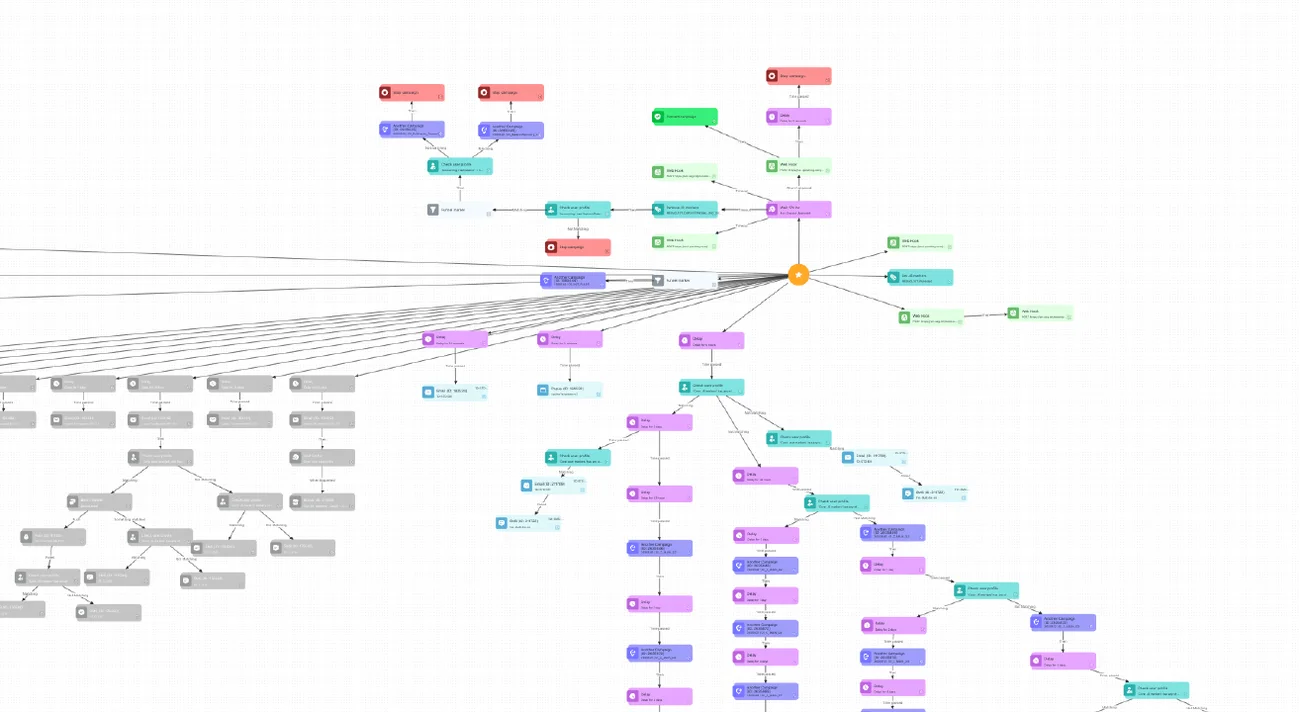
With the specialists and internal teams we set up lifecycle programmes in the CRM platform: first, second and third deposit journeys; churn, soft-lapse and reactivation flows; VIP tiers; sportsbook incentives; custom bonuses; and gamification such as missions, levels, tournaments and mini-games. Channels were email, SMS, push and inbox notifications, with fallbacks and segmentation by market. My role was the operating structure: coordinating content, design, CRM and platform dependencies, reviewing journeys and keeping the rollout moving.
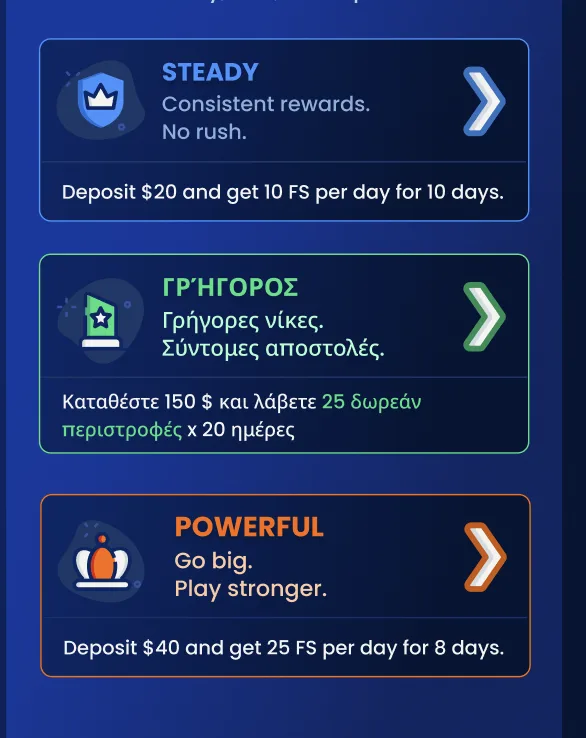
Reactivation: three paths. For lapsed players we replaced a single offer with a choice of three paths. Each sets a different deposit, number of daily free spins and duration. The reward is released day by day, so the confirmation message gives players a reason to return daily.

5. What the retention data shows
Month-1 retention here means the share of a month’s depositor cohort that deposited again the following month. The ten cohorts from August 2025 to May 2026 averaged 9.2%, and none went above 11.7%. The four cohorts from June to September 2026 averaged 18.9%, and none fell below 15.8%. Both averages are weighted by cohort size and use only complete periods.
Month-1 retention by monthly depositor cohort, with cohort size under each month. Grey: August 2025 to May 2026. Green: June to September 2026. October 2026 is excluded because its first month is not complete.
See the figures
| Cohort | Players | Month 1 |
|---|---|---|
| Aug ’25 | 4,197 | 9.9% |
| Sep | 1,259 | 6.3% |
| Oct | 677 | 8.1% |
| Nov | 967 | 11.2% |
| Dec | 1,971 | 7.5% |
| Jan | 938 | 11.1% |
| Feb | 2,316 | 10.8% |
| Mar | 1,790 | 9.0% |
| Apr | 1,537 | 11.7% |
| May | 2,404 | 6.6% |
| Jun | 418 | 15.8% |
| Jul | 463 | 20.5% |
| Aug | 361 | 20.8% |
| Sep | 410 | 18.5% |
How much of this is mine to claim. We started the enhanced retention programmes around May, and the uplift shows from the June cohort, so the timing fits. But I can’t isolate their effect. Cohorts were largest during the acquisition push (about 4,200 depositors in August 2025) and the June cohort was about 80% smaller than May’s (418 players against 2,404), so a change in who we were acquiring may explain part of the uplift. I treat this as a strong signal, not proof.
6. Measuring the funnel and testing what worked
I used Hotjar to follow players through the funnel, from entry to registration to first deposit: where they dropped, how long each step took, and how long it took them to convert. Hotjar sat alongside Amplitude and PostHog, and the funnel was instrumented with events for registration started and completed, login, deposit page viewed and deposit started, bonus claims and game opens.
- EntryLanding, affiliate and campaign source
- RegistrationStarted, completed
- DepositPage viewed, started, completed
- Time to convertMeasured across the three steps
On top of the funnel I worked from a set of regular reports: game performance (hot and cold titles), deposits, active users, player base by market, currency, language and value segment, and support satisfaction and availability. These fed my lobby decisions and the monthly and quarterly reviews.
Email. As we started sending marketing at larger volumes, engagement and conversion held up after each send. We then began testing systematically: content, time of day, day of the week, landing links, and bonus versus non-bonus promotions. We also warmed the sending domains with a warm-up tool, and the health score stands at 94 out of 100.
7. Ten markets, three currencies
Every new market meant more than another flag on a landing page: more languages, currencies, content, payment configurations, promotional rules and support requirements. We operated in Greece, Hungary, Italy, Portugal, Latvia, Ireland, Germany, Austria, Switzerland and Poland, in euros, Polish zloty and Hungarian forint.
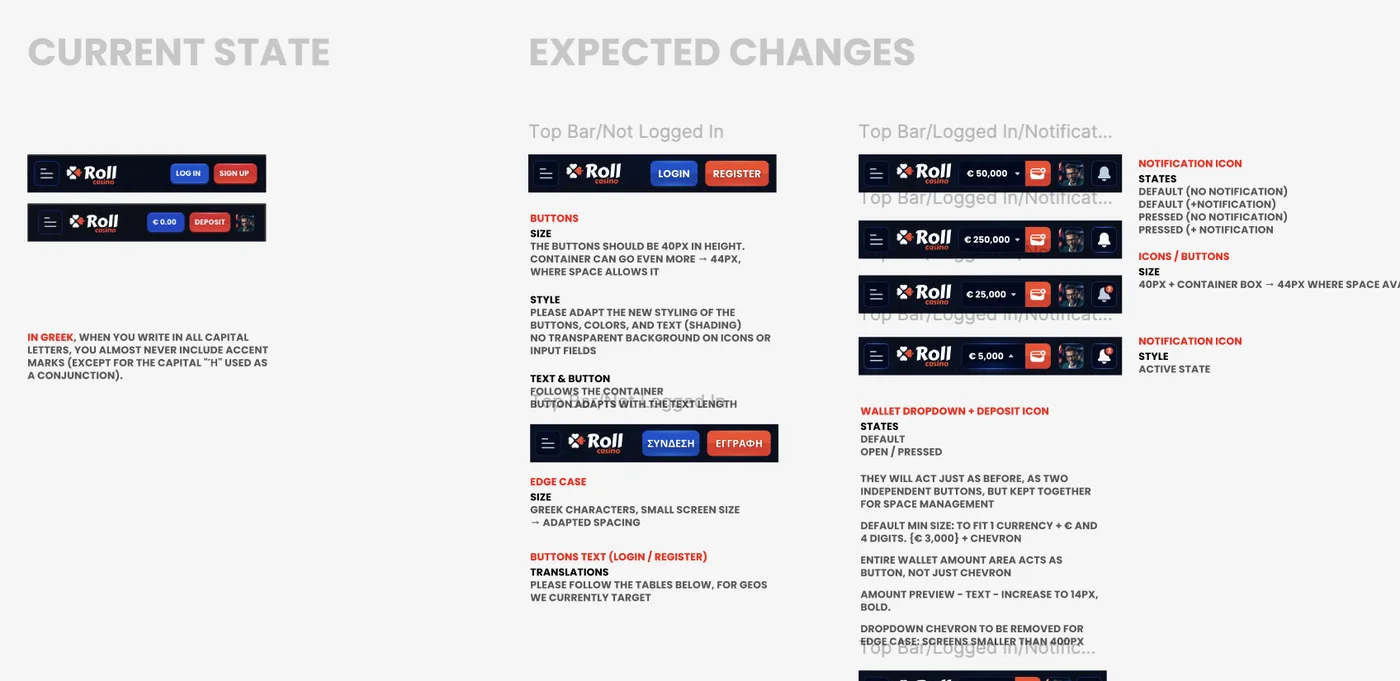
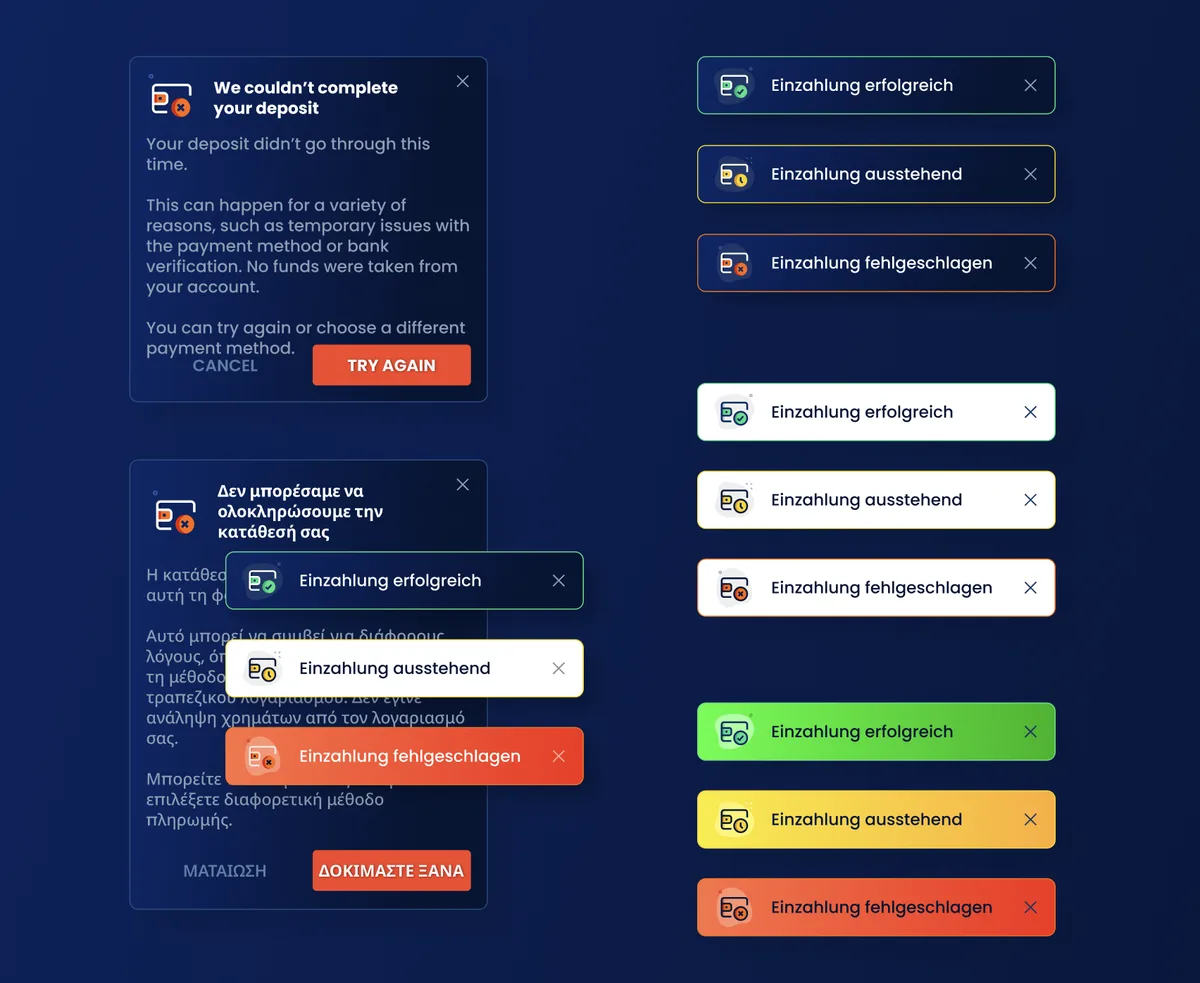
The detail is in the edge cases. Greek capitals drop their accent marks, button labels run from 6 to 11 characters between languages, and wallet balances had to fit a currency symbol and four digits on small screens. The specification for the mobile top bar set rules for all of it, and deposit messages were designed and reviewed in Greek and German.
8. Running it like a business
Product work here was tied to the numbers from the start. I implemented the forecasting models and used them for financial planning: monthly operating expenses, team budgets, tools and subscriptions, and estimated breakeven. I contributed to acquisition budgets, and I ran monthly and quarterly reviews of the performance of every marketing communication and of affiliate conversion, split by market.
Figures are left out of this page. The point is how the work was run: product, CRM and marketing decisions stayed tied to forecasts and budgets instead of a roadmap that lived apart from the business.
9. Scaling an increasingly complex operation
The game catalogue grew by roughly four providers a month toward nearly 4,000 games, and CRM, CMS, creative production and support became interdependent parts of one operating system. I managed the game lobby: which games and categories appear where and in what order, informed by performance reports.
I also took ownership of the recurring and ad-hoc marketing calendar around seasonal promotions and sports events: briefs, asset production, localization, CRM setup, fallback logic, approvals, release scheduling and performance reviews. We introduced AI-assisted creative and content workflows and repeatable templates to reduce manual work.
- PlanBrief, approval and schedule
- ProduceDesign, content, localization
- BuildCMS and CRM setup, QA
- LearnLaunch and performance review
What I learned
- Getting a platform live and getting a business to work are separate jobs.Launch is where operating the business begins.
- Acquisition can’t make up for weak lifecycle management.I’d design the retention model before the first paid traffic, not after.
- Every market, channel and promotion adds complexityunless responsibilities, tools and processes are designed on purpose.
My work moved from helping decide what to launch to helping build how the business operates, measures, learns and scales. That is the part I’d bring to any regulated, partner-heavy digital product.